General Cleaning and TB Lab Surface Decontamination
The cleanliness and regular disinfection of the TB lab and its surfaces play an essential role in the safety of those working in these labs.
Guidelines for Laboratory Cleaning


Guidelines for Laboratory Cleaning
The spill response kits in a tuberculosis (TB) lab should be made available to deal with any contaminated or hazardous fluid spillage. Spill response kits should be made available:
The spill cleanup kit should include the items listed below:
Laboratory Gowns (Figure 1)
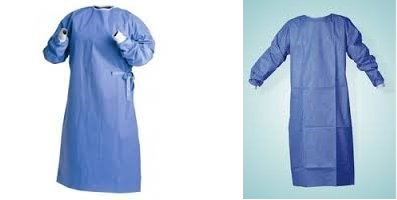
PPE refers to physical barriers which are used alone or in combination to protect an individual's mucous membranes, airways, skin and clothing from contact with infectious agents, hazardous material, conditions or processes.
Common Problems and Troubleshooting Related to Autoclaves in TB Lab
|
SR NO |
PROBLEM |
CAUSES |
SOLUTION |
|---|---|---|---|
|
1 |
Drain is clogged or exhaust taking more time than normal |
There may be clogging of drain valve dust |
Autoclaves are pretty simple to use but there are a few steps for better maintenance of an autoclave.
A. Daily Maintenance
The quality control process for autoclaves is important to prevent the transmission of infection.
It is done to ensure that sterilization or decontamination by the autoclave is up to the mark.
To ensure that biohazardous waste is properly decontaminated during autoclaving, the following procedures should be followed by laboratory personnel for quality control during autoclaving:
A. Use of Chemical Indicator
Periodic maintenance of the refrigerated centrifuge is essential to ensure that the centrifuge is in optimum condition.
Daily Maintenance:
Revolutions Per Minute (RPM) and Relative Centrifugal Force (RCF) are important abbreviations used while using a centrifuge. However, these terminologies differ from each other.
RPM vs. RCF (g force)