Interfering Substances causing errors in NAAT Assay

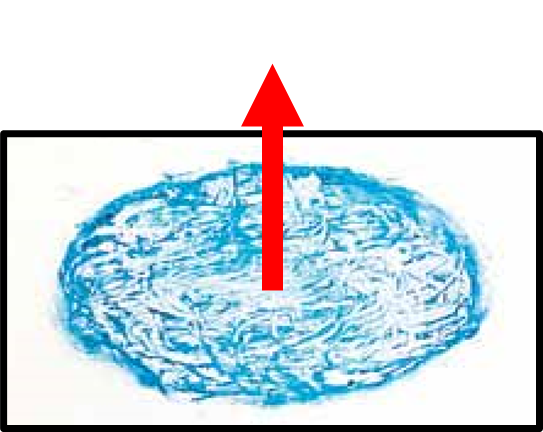
It is common in laboratories to see specimens with the following particles which may potentially alter nucleic acid amplification test (NAAT) results:

  • Food particles
  • Blood
  • Tobacco
  • Pan
  • Debris or tissue pieces

These interfering substances cause failures in Truenat assays and may have inhibitory effects on CBNAAT assays. This interferes with the accuracy of results, leading to false positive or negative tests and delayed cycle threshold values.

Preparation of Reagents for FM Microscopy

Reagent preparation is an important activity and it’s essential to use certified chemicals and reagents. One should always check the potency of the chemicals used and calculate the amount to be weighed accordingly.


The following are the steps for reagent (primary stain and counter stain) preparation for Florescence Microscopy:


0.1% Auramine–O (1 L), the primary stain

Storing slides at a DMC for QA

It is important to store slides, after reading as these will be required for Quality assurance - internal rechecking by the supervisor, and for External Quality Assurance (EQA) as per National TB Elimination Programme (NTEP) guidelines.

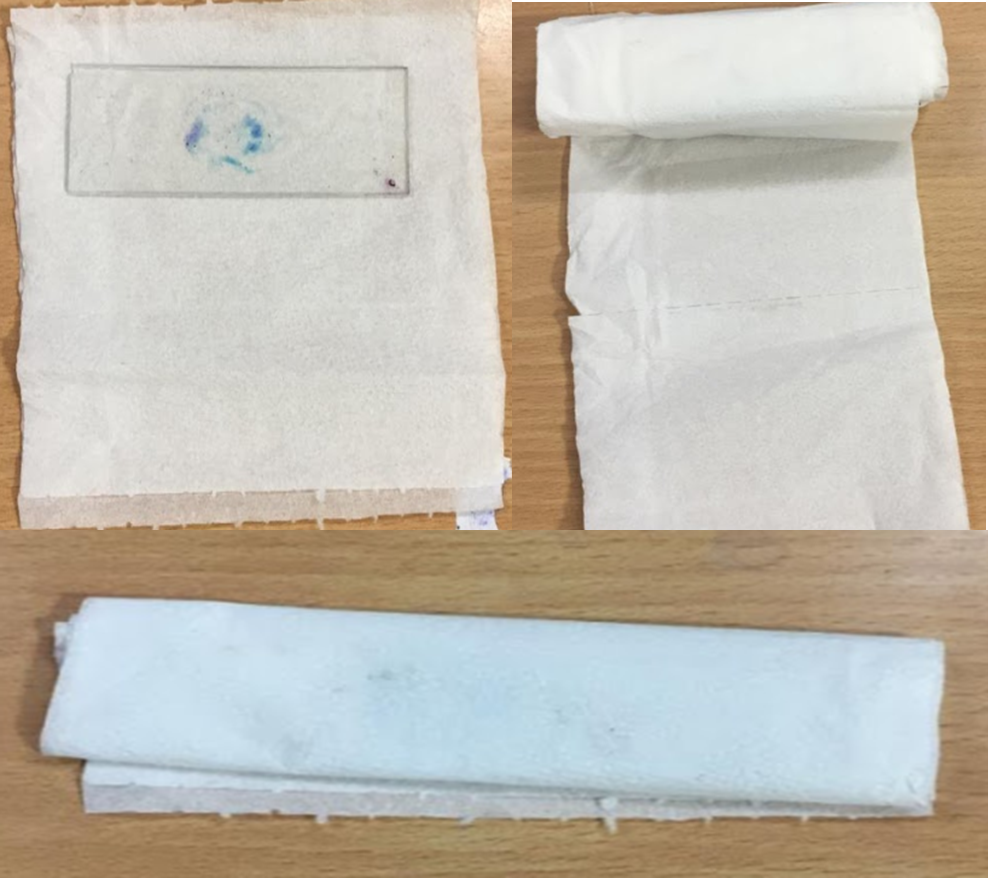
  • Prior to storage slides need to be dried by gently placing the slide gently face down on the tissue paper or by wrapping it in the tissue paper and leaving it overnight to remove excess oil (Figure 1).

Transportation of Biological Specimens

All efforts must be made to have decentralized local arrangements for transporting the specimens to the Designated Microscopy Centre (DMC)/ Culture Drug Susceptibility Test (CDST) and molecular Nucleic Acid Amplification Test (NAAT) and Line probe assay (LPA) labs through human volunteers/courier/speed post. The specimens collected should be carefully packed in a box to avoid any spillage or contamination. 


The following points must be considered for the transportation of biological specimens: 

Paper-based Format: Stock Register

The Stock Register is a paper-based recording register kept in drug stores of the National Tuberculosis Elimination Programme (NTEP). It is useful to ensure uninterrupted supply of anti-TB drugs to the patient. The stock register is maintained at the state, district, and tuberculosis unit (TU) drug stores, by the storekeeper. 


Uses of the Stock Register 

Subscribe to