Monitoring of Treatment by Smear and Culture
- Read more about Monitoring of Treatment by Smear and Culture
- Log in to post comments


The disposable, single-use CBNAAT cartridge holds the samples and reagents to be processed in the CBNAAT System. The main cartridge components are described below, and shown in the figure below.
The CBNAAT module contains components that enable automated sample processing in the cartridge, and filling of the tube with the sample-reagent mixture for Polymerase Chain Reaction (PCR), followed by PCR amplification and detection.
The structure of the CBNAAT module is described below and shown in Figure 1:
Discuss the modular structure of the GeneXpert Platform.
Describe the various parts of the Module.
Open configuration options

Resources
For a fire to start, three components of the triangle namely: Fuel, Oxygen and Ignition sources need to come together (Figure).
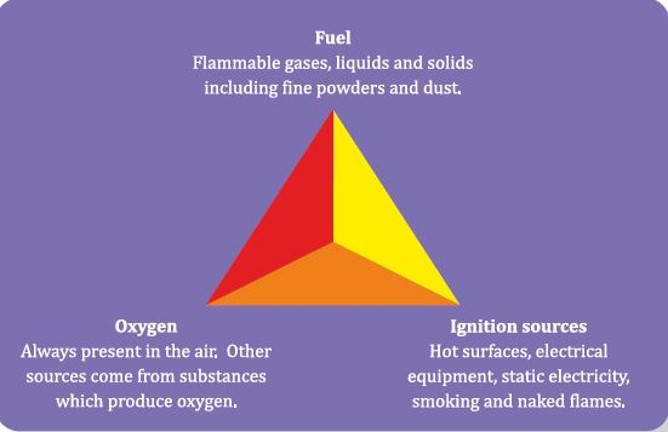
Figure: Components that cause a fire on coming together

There are different types of accidents that can occur in the TB lab. These accidents and actions to be taken are elaborated below:
Tube Breaks or Infectious Spills inside the Biosafety Cabinet (BSC)
The emergency preparedness plan in a tuberculosis (TB) laboratory is a written document that should provide:

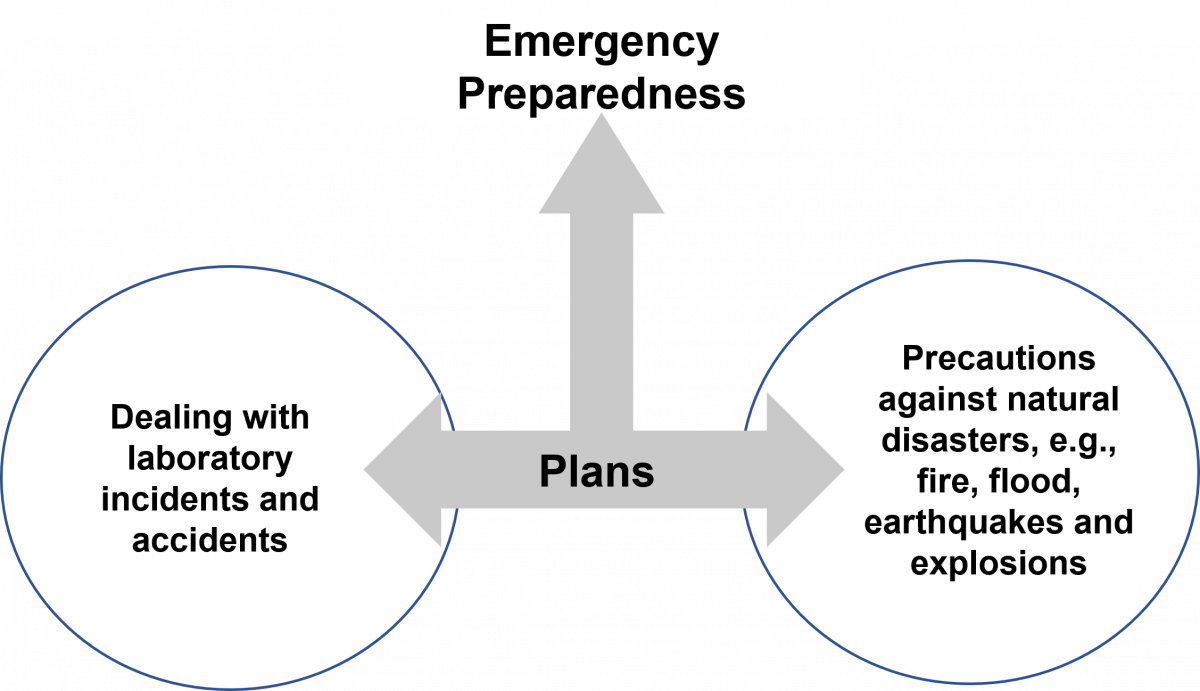
Figure: Composition of an Emergency Preparedness Plan
Depending on the procedural risk in the TB lab, the lab is classified into low, moderate and high-risk categories.
Low-risk TB laboratories work on sputum specimens for:
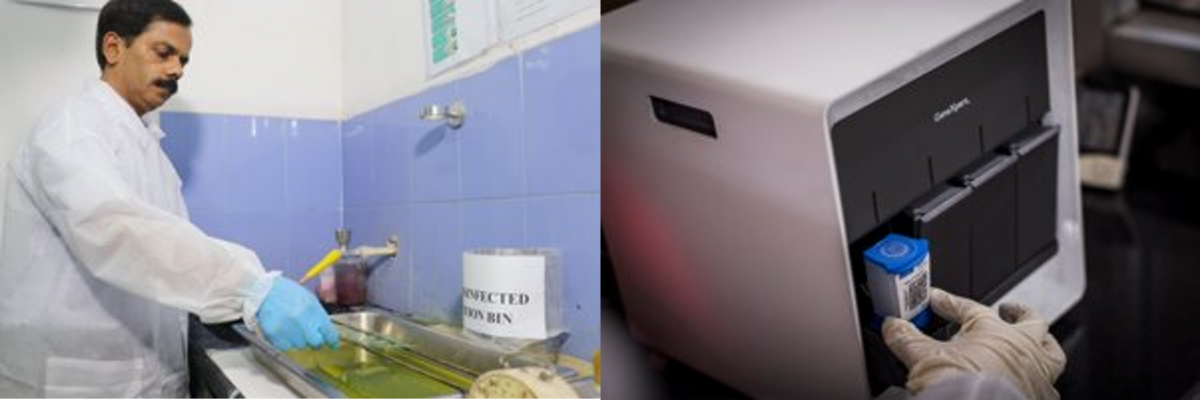
Figure 1: Procedures Conducted in a Low-Risk TB Lab