

-
Pharmacist: Flow of Supplies
FullscreenFlow of DS-TB Drugs in NTEP
ContentDrug-Susceptible Tuberculosis (DS-TB) drugs are available as Fixed Dose Combination. The treatment duration is generally 6-8 months. Weight-band-wise monthly strips are issued to the patient.
There is a significant difference between the flow of DS-TB drugs and Drug-Resistant Tuberculosis (DR-TB) drugs under the National TB Elimination Program (NTEP). The process of DS-TB drug flow in NTEP is explained below:
- There is a centralised procurement mechanism under NTEP where the Central TB Division (CTD) procures drugs for all states at the central level and supplies the same to Central Medical Services Society (CMSS)/ Government Medical Stores Depots (GMSDs).
- The GMSDs/ CMSS then dispatch the DS-TB drugs to State Drug Stores (SDSs) or districts based on the quarterly reports submitted to CTD through Ni-kshay Aushadhi.
- The replenishment of DS-TB drugs from CTD to SDSs through Release Orders (RO) takes around 15-20 days.
- The districts transfer the drugs to the Tuberculosis Units (TUs), which in turn supply them to the Peripheral Health Institutes (PHIs), who then issue them to the patients.
Figure: Flowchart depicting the flow of DS-TB drugs

DS-TB Drug Distribution Management
- This whole process of drug distribution is carried out through a well-defined transportation mechanism/ Third-Party Logistics (3PL).
- In case of critical situations, provision to issue the drugs directly to the districts is also available.
- The SDS/ districts should follow up with the GMSDs/ CMSS in case of delay in receipt of drugs after receipt of the RO from the CTD.
- The SDSs should have at least a reserve stock of 3 months of consumption of DS-TB drugs in the state at the beginning of the quarter.
- To ensure sufficient stock of all drugs, as per stocking norms, at Peripheral Health Institution (PHI)/ Tuberculosis Unit (TU), District TB Centre (DTC) also need to have a reserve stock of three months of DS-TB drugs at the beginning of the quarter.
- Once SDS receives the reports from DTCs through Ni-kshay Aushadhi, it takes around 10 days for SDS to process the requirement (from all districts).
Resources
- Standard Operating Procedure Manual Procurement & Supply Chain Management; CTD, MoHFW,India,2018.
- Procurement, Supply Chain Management & Preventive Maintenance, Module 6; CTD, MoHFW, India.
Assessment
Question
Answer 1
Answer 2
Answer 3
Answer 4
Correct answer
Correct explanation
Page id
Part of Pre-test
Part of Post-test
How many days does it take to replenish DS-TB drugs from CTD to SDSs through Release Orders?
3-5 days
5-7 days
7-10 days
15-20 days
4
The replenishment of drugs from CTD to SDSs through Release Orders takes around 15-20 days.
Yes
Yes
Flow of DR-TB Drugs in NTEP
ContentThe DR-TB drugs are the Second Line Drugs (SLD) prescribed to the TB patients based on resistance pattern. The treatment duration varies from 9-20 months depending on the regimen being administered. These drugs are supplied as monthly Patient Wise Boxes (PWB) of Type A and Type B .The Type A boxes contains drugs that are common in Intensive Phase (IP) and Continuation Phase (CP) and Type B box contains drugs that are given only during the IP.
The Flow of DR-TB Drugs in NTEP

Figure: Flow of DR-TB Drugs in NTEP
- The centralized procurement agency supplies loose form of SLD to the Government Medical Store Depot (GMSD)/Central Medical Services Society (CMSS).
- The GMSD/CMSS then transports the drugs to the various State Drug Stores (SDS) as loose drugs.
- In some special situations the GMSD directly sends the DR TB drugs to the District Drug Stores (DDS).
- At the SDS /DDS (as the case may be), the loose drugs are packed into standardized monthly PWBs of Type A ,Type B for various regimes and supplied to the Nodal/District DR TB Centre (N/DDR-TBC) ----> Tuberculosis Units(TUs) ----> Health Facilities (HFs), each quarter.
- The patients are issued 1 monthly PWBs which should be handed over by the Senior Treatment Supervisor (STS) to the treatment supporter who is identified in consultation with the patient and provider.
- SDS shall also supply an additional loose quantity of SLD to the districts for special situations like modification of regimen/ extension of intensive phase etc.
DR-TB Drug Distribution Management
The whole process of drug distribution is carried out through a well-defined transportation mechanism/ Third-party Logistics (3PL). The SDS/ districts should follow up with the GMSDs/ CMSS in case of delay in receipt of drugs after receipt of the release order from the CTD. Once the reports are received by SDS from DTCs through Nikshay Aushadhi, it takes around 10 days for SDS to process the requirement (from all districts). All stocking points need to maintain a reserve stock of Type A and Type B PWBs except in case of HFs, where in only those HF's where patients are 'initiated' OR are 'on treatment' for DR TB shall maintain a reserve stock of SLD.
Resources
- Standard Operating Procedure Manual Procurement & Supply Chain Management, CTD, MoHFW,India,2018
- Procurement, Supply Chain Management & Preventive Maintenance, Module 6, CTD, MoHFW, India.
Assessment
Question
Answer 1
Answer 2
Answer 3
Answer 4
Correct answer
Correct explanation
Page id
Part of Pre-test
Part of Post-test
Which form of DR-TB drugs is supplied to the State/ SDS?
Patient-wise box
Loose
Both of the above
None of the above
2
The State/ SDS is supplied only the loose form of DR-TB drugs.
Yes
Yes
Flow of Bdq in NTEP
ContentBedaquiline (Bdq) is a group A second line drug supplied as a jar containing 188 tablets having dosage strength of 100mg with 24 months of shelf life. The jar contains the dosages for entire 6 month of treatment duration.
Flow of Bedaquiline (Bdq) drug in NTEP

Figure: Flowchart depicting the drug flow of Bedaquiline
- The Bdq drug is procured centrally and supplied to the Government Medical Store Depot (GMSD)/Central Medical Services Society (CMSS).
- Based on the report from the Ni-kshay Aushadhi, Central TB Division (CTD) prepares the Release Order (RO) following which the drugs are supplied to the respective State Drug Stores (SDS).
- In case of Bedaquiline (Bdq), the drug is dispatched from the SDS to the Nodal/ District Drug-resistant TB Centre (N/DDR TBC) as the patients on Bdq are initiated on treatment at the N/DDR-TBC only.
- Patients initiated on Bedaquiline (Bdq) treatment at the N/DDR-TBC are provided with the bottle containing Bdq during discharge which is then handed over to the treatment supporter under the supervision of the senior DR-TB/ TB-HIV supervisor.
- Until the patient completes the Bdq treatment course, the bottle containing Bdq should be in the custody of the treatment supporter.
- Once the bottle containing Bdq is issued to the patients/ treatment supporter at the N/DDR-TBC, their prescription should be uploaded on the Nikshay Aushadhi and the Senior DR-TB HIV supervisor should inform the storekeeper at the District Drug Store (DDS) about the same.
- This information should also be entered into the stock register at the DDS, which will help the system to keep track of Bdq inventory.
Resources
- Standard Operating Procedure Manual, Procurement & Supply Chain Management, CTD, MoHFW, India.
- Procurement, Supply Chain Management & Preventive Maintenance, Module 6, CTD, MoHFW, India.
Assessment
Question
Answer 1
Answer 2
Answer 3
Answer 4
Correct answer
Correct explanation
Page id
Part of Pre-test
Part of Post-test
Bdq bottle is to be kept under the custody of the patient until the end of the course.
True
False
2
Bdq bottle is to be kept under the custody of the patient’s treatment supporter until the end of the course.
Yes
Yes
Flow of Dlm in NTEP
Content- Delamanid (Dlm) is a second line anti TB drug for Drug Resistant (DR) TB patients, supplied in the form of strips containing 8 tablets having dosage strength of 50mg with 60 months of shelf life. According to National TB Elimination Program (NTEP) guidelines, total 84 strips of Dlm tablets (672 tablets) are required to complete a full course for a patient (i.e, 100mg BD daily dosage) for 6 months of Intensive Phase (IP).
- During the first 5 months, the patient will receive 120 tablets of Dlm each month (15 strips) and in the 6th month, the patient will receive only 72 tablets (9 strips) as Dlm is given only for 24 weeks.
Flow of Delamanid under NTEP

Figure: Flowchart depicting Drug-flow of Delamanid
- The Dlm drug is procured centrally and supplied to the Government Medical Store Depot (GMSD)/Central Medical Services Society (CMSS).
- Based on the reports from the Ni-kshay Aushadhi, Central TB Division (CTD) prepares the Release Order (RO) following which the drugs are supplied to the respective State Drug Stores (SDS).
- In case of Dlm, the drug is dispatched from the SDS to the Nodal/ District Drug-resistant TB Centre (N/DDR TBC) as the patients should be initiated on Dlm, preferably in an in-patient setting for a period of two weeks (15 days) in order to observe for tolerance of the patients to the regimen.
- Upon discharge from the N/DDR TBC, patients initiated on Dlm are issued the Dlm strips for the rest of the first month which is handed over to the treatment supporter under the supervision of the senior DR-TB/ TB-HIV supervisor.
- Post discharge, the Dlm drugs are directly supplied from the SDS to the respective DDS of the district where the patient will be continuing further treatment.
Resources
- Guidelines for Use of Delamanid for Treatment of DR-TB in India, 2018, CTD, MoHFW, India.
- Procurement, Supply Chain Management & Preventive Maintenance, Module 6, CTD, MoHFW, India.
Assessment
Question
Answer 1
Answer 2
Answer 3
Answer 4
Correct answer
Correct explanation
Page id
Part of Pre-test
Part of Post-test
Where is the Dlm drug dispatched once the patient is discharged from the N/DDR TBC?
Tuberculosis Unit (TU)
Peripheral Health Institute (PHI)
District Drug Stores (DDS)
Nodal DR TB Centre (NDR-TBC)
3
Delamanid stock will be issued by the SDS directly to the respective DDS in the district from where the patient will be continuing further treatment.
Yes
Yes
Flow of CB-NAAT Cartridges/TrueNat chips in NTEP
ContentCartridge-based Nucleic Acid Amplification Testing (CBNAAT) cartridges and Truenat chips are used in the molecular test for TB diagnosis.
- It not only detects TB bacteria but also Rifampicin resistance.
- These are procured at the central level and supplied to states/ districts/ Nucleic Acid Amplification Testing (NAAT) sites based on their requirements.
- Recently, it has been decentralised and states are procuring through Government eMarketplace (GeM).
For procurement of diagnostics at the state level, the states are authorised to establish rate contracts at the beginning of each financial year for up to 25% of the annual requirement of CBNAAT/ Truenat machines and cartridges/ chips, using funds available through the “Free diagnostics” and “Free drugs” initiative.
Flow of CBNAAT cartridges/ Truenat chips in National TB Elimination Programme (NTEP)

Figure: Flowchart showing the Flow of CBNAAT Cartridges/ Truenat Chips in NTEP
The procurement of cartridges and chips is based on
- Stock availability
- Consumption
- Expected case load
It should be recorded, reported and monitored through the Ni-kshay Aushadhi in real-time.
The storekeeper of State Drug Stores (SDS)/ District Drug Store (DDS) is responsible for dispatching the cartridges/ chips to the NAAT site.
The NAAT site in charge will send a monthly utilisation report to SDS/ DDS. The SDS will further share quarterly utilisation to the central level through Ni-kshay Aushadhi.
Resources
- Guidelines for Programmatic Management of Drug-resistant TB (PMDT) in India, NTEP, CTD, MoHFW, India, 2021.
- Procurement, Supply Chain Management & Preventive Maintenance, Module 6, CTD, MoHFW, India.
Assessment
Question
Answer 1
Answer 2
Answer 3
Answer 4
Correct answer
Correct explanation
Page id
Part of Pre-test
Part of Post-test
Who is responsible for dispatching the cartridges/ chips to the NAAT site?
Storekeeper of SDS/ DDS
PPM Co-ordinator
Laboratory Technician
DR-TB Counsellor
1
The storekeeper of State Drug Stores (SDS)/ District Drug Store (DDS) is responsible for dispatching the cartridges/ chips to the NAAT site.
Yes
Yes
-
Pharmacist: Packaging
FullscreenPackaging - Significance
ContentPackaging involves the process of packing loose second-line anti-TB drugs into one-monthly Patient-wise Boxes (PWBs) also known as the standardised drug boxes for shorter, longer Multidrug/ Rifampicin-resistant TB (MDR/RR-TB) and for H-mono/ poly Drug-resistant TB (DR-TB) regimen.
- The drug box preparation is preferably done at the State Drug Store (SDS) level. However, in states that have built the capacity of districts, the exercise of preparation of standard PWBs may also be conducted at District Drug Stores (DDS) under the guidance and supervision of the District TB Officer (DTO).
- The DDS is supplied monthly PWBs as per the standard regimens as well as loose medicines for replacement.
- Under certain circumstances, the drug box may also be prepared at the district level, like unpacking of unused/ partially used boxes and modification of regimen as per replacement advised by the DR-TB centre.
Resources
- Guidelines for Programmatic Management of Drug-resistant Tuberculosis in India, NTEP, Central TB Division, Ministry of Health and Family Welfare, Government of India, 2021.
- Standard Operating Procedure Manual Procurement & Supply Chain Management, Central TB Division, Ministry of Health and Family Welfare, Government of India.
Assessment
Answer 1
Answer 2
Answer 3
Answer 4
Correct answer
Correct explanation
Page id
Part of Pre-test
Part of Post-test
Which DR-TB regimen has only one standard PWB prepared for the entire duration of treatment?
Shorter oral Bdq-containing regimen
Longer oral M/XDR regimen
H - mono/ poly DR-TB regimen
None of the above
3
In comparison to other DR-TB regimens, a full treatment course should be prepared for the entire duration of 6 months.
Yes
Yes
Specification of boxes
ContentIn the National Tuberculosis Elimination Programme (NTEP), packaging of loose drugs into Type A, B & C boxes are done at the State Drug Stores (SDSs) under the guidance of the State TB Officer (STO)/ Medical Officer (MO)/ Drug logistics in-charge.
Specifications for packaging of patient-wise monthly drug box
Common for both Type A and Type B boxes
- Material: Punching ring flap model (1 side pin) 3 ply corrugated, top paper 230 gsm, ply 150 gsm and the inner wall of 180 gsm.
- Opening: From the top with the attached lid.
- Packing: Box should be stapled with heavy pins.
- Colour: Outer white and inner brown
Type A Box
- Size: 10.5” x 7.5” x 3.25” (inch)
- Partitions in the box: 3 ply white to white vertical and 12 horizontal, fitting in to vertical serially
- Size of partition: Horizontal: 7.5” x 2.75” – Vertical 10” x 2.75”
- In each Type A box, one pouch of silica gel desiccant of 4 gm weight should be kept.
- One monthly pouch of capsule Cycloserine and tablet Ethambutol each should be made from a plastic bag with a zip lock facility in which a 1 gm pouch of silica gel desiccant should be kept.
Type B box
- Size: 11” x 4” x 4” (inch)

Figure 1: Type A Box; Source: Guidelines on Programmatic Management of Drug-resistant TB (PMDT) in India; CTD, MoHFW, India, 2017.

Figure 2: Type B Box; Source: Guidelines on Programmatic Management of Drug-resistant TB (PMDT) in India; CTD, MoHFW, India, 2017.
Specifications for Labelling of Patient-wise Monthly Drug Box
- Once the patient-wise monthly drug box is prepared, labels for these drug boxes should also be prepared to contain all details about the drugs within the box and printed directly from the Ni-kshay Aushadhi system.
- Labels should be generated for each cycle of box preparation and contain expiry-wise drug content of the boxes and should be pasted over the boxes prepared during that cycle only.
- The label should be marked with a bold marker pen and pasted on the visible side of the carton.
- Labelling the drug boxes helps in facilitating the storekeeper to follow the First Expiry First Out (FEFO) principle, avoids excessive stocking of shortage drugs/ drug stock imbalances, enables issue of the regimen-wise box systematically and the barcode present on the label helps to ensure better inventory, tracking and supply chain management.
Resources
- Guidelines on Programmatic Management of Drug-resistant TB (PMDT) in India; CTD, MoHFW, India, 2017.
- Standard Operating Procedure Manual Procurement & Supply Chain Management; CTD, MoHFW,India,2018.
- Procurement, Supply Chain Management & Preventive Maintenance, Module 6; CTD, MoHFW, India.
Assessment
Question
Answer 1
Answer 2
Answer 3
Answer 4
Correct answer
Correct explanation
Page id
Part of Pre-test
Part of Post-test
What is the colour of the box used for packaging patient-wise monthly drugs?
Outer brown and inner white
Outer white and inner brown
Outer blue and inner white
Outer white and inner blue
2
The colour of the box used in the packaging of the monthly patient-wise box is outer white and inner brown.
Yes
Yes
Labelling the boxes
ContentImportance of Labelling the Drug Boxes
- It helps to identify regimen-wise boxes quickly
- It helps the storekeeper in practising the First Expiry First Out (FEFO) principle
- Ensures better inventory management
- Strengthens the tracking and supply chain through the bar code present on the label
Contents of the label

All Oral Longer Regimen for MDR/RR FQ Res or XDR TB
All Oral Longer Regimen for MDR/RR FQ Res or XDR TB Type A (30-45) [OLR A2]
S.No.
Drug Name
UOM
Strength(No.)
Batch No.
DOE
No. Of Unit
Dosage Per Day
1
Clofazimine 100mg [PC40]
Cap
100 MG
NCG2009A
Feb/2022
30
1.00
2
Cycloserine 250mg [PC24]
Cap
250 MG
ECE2023A
Dec/2021
60
2.00
3
Linezolid 600mg [PC38]
Tab
600 MG
BLN2001A
Dec/2022
30
1.00
4
Moxifloxacin 400mg [PC39]
Tab
400 MG
EMC62004A
Feb/2023
60
2.00
5
Pyridoxine 100mg [PC26]
Tab
100 MG
EPD92001A
Jan/2023
30
1.00
Lot No. : 2160010822
Total : 210
Date Of Expiry Of Box : Dec/2021
Figure 1: Drug Box label; Source: Packaging and Repackaging,Nikshay Aushadhi User Manual; CTD, MoHFW, India.
Method of Labelling the Drug Boxes

Figure 2:Label pasted on the drug box
- The labels should be pasted on the visible side of the carton.
- The label should be in bold colours for quick identification.
- There should be different coloured labels for different regimens as well as for the intensive and continuation phases.
- The label should be pasted in an oblong manner on the box to allow quick readability.
- The label should be generated through the Ni-kshay Aushadhi during each cycle of box preparation and printed directly from the system.
- The labels prepared for a particular cycle should be pasted over the boxes prepared during that cycle only.
Resources
- Standard Operating Procedure Manual Procurement & Supply Chain Management; CTD, MoHFW,India,2018.
- Procurement, Supply Chain Management & Preventive Maintenance, Module 6; CTD, MoHFW, India.
- Packaging and Repackaging,Nikshay Aushadhi User Manual; CTD, MoHFW, India.
Assessment
Question
Answer 1
Answer 2
Answer 3
Answer 4
Correct answer
Correct explanation
Page id
Part of Pre-test
Part of Post-test
The labels prepared for a particular cycle may be pasted over the boxes prepared for any other cycle. True
False
2 The labels prepared for a particular cycle should be pasted over the boxes prepared during that cycle only. Yes
Yes
Types of monthly PWB
ContentThere are two types of monthly Patient Wise Boxes (PWB) issued to the TB patients.
1) Type A: Contains oral drugs that are used for treatment during both the Intensive Phase (IP) and Continuation Phase (CP).
2) Type B: Contains injectables which are prescribed for Intensive Phase (IP) only
Based on the regimen and weight band of the patients , PWB are prepared and issued to the patients.
Contents of PWB
- PWB for Shorter Oral Bedaquiline-containing MDR/RR-TB Regimen: Constitutes both Type A and Type B box
Type A box
Use in Intensive Phase (IP) as well as Continuation Phase (CP)
Drugs
Strength
16-29 kg
30-45 kg
46-70 kg
>70 kg
Tab. Levofloxacin*
250/ 500 mg
250 mg *30 tab
250 mg *30 tab + 500 mg *30 tab
500 mg *60 tab
500 mg *60 tab
Tab. Clofazimine
50/ 100 mg
50 mg *30 tab
100 mg *30 tab
100 mg *20 tab
100 mg *60 tab
Tab. Ethambutol
400/ 800 mg
400 mg *30 tab
800 mg *30 tab
400 mg *30 tab + 800 mg *30 tab
600 mg *60 tab
Tab. Pyrazinamide
500/ 750 mg
750 mg *30 tab
500 mg *30 tab + 750 mg *30 tab
500 mg *60 tab + 750 mg *30 tab
500 mg *30 tab + 750 mg *60 tab
Tab. Pyridoxine
50/100 mg
50 mg *30 tab
100 mg *30 tab
100 mg *30 tab
100 mg *30 tab
* When moxifloxacin is prescribed under exceptional conditions instead of levofloxacin, the modified box with moxifloxacin (normal dose) can be prepared from the standard box at DDS.
Type B box
Use in IP
Drugs
Strength
16-29 kg
30-45 kg
46-70 kg
>70 kg
Tab. Isoniazid
100/ 300 mg
300 mg *30 tab
300 mg *60 tab
300 mg *90 tab
300 mg *90 tab
Tab. Ethionamide
125/ 250 mg
125 mg *30 tab + 250 mg *30 tab
250 mg *60 tab
250 mg *90 tab
250 mg *120 tab
Bedaquiline bottle
100 mg
Jar of 188 tablets for full course
- PWB for Shorter Injectable-containing Regimen: Constitutes both Type A and Type B box
Type A box
Use in Intensive Phase (IP) as well as Continuation Phase (CP)
Drugs
Strength
16-29 kg
30-45 kg
46-70 kg
>70 kg
Tab. Moxifloxacin-High Dose
400 / 800 mg
400 mg *30 tab
400 mg *30 tab
400 mg *60 tab
400 mg *60 tab
Tab. Clofazimine
50/ 100 mg
50 mg *30 tab
100 mg *30 tab
100 mg *20 tab
100 mg *60 tab
Tab. Ethambutol
400/ 800 mg
400 mg *30 tab
800 mg *30 tab
400 mg *30 tab + 800 mg *30 tab
600 mg *60 tab
Tab. Pyrazinamide
500/ 750 mg
750 mg *30 tab
500 mg *30 tab + 750 mg *30 tab
500 mg *60 tab + 750 mg *30 tab
500 mg *30 tab + 750 mg *60 tab
Tab. Pyridoxine
50/100 mg
50 mg *30 tab
100 mg *30 tab
100 mg *30 tab
100 mg *30 tab
Type B box
Use in IP
Drugs
Strength
16-29 kg
30-45 kg
46-70 kg
>70 kg
Inj. Kanamycin
15mg/kg/day
500 mg *24 inj.
750 mg * 24 inj.
750 mg *24 inj.
1000 mg *24 inj.
Tab. Isoniazid-high dose
100/ 300 mg
300 mg *30 tab
300 mg *60 tab
300 mg *90 tab
300 mg *90 tab
Tab. Ethionamide
125/ 250 mg
125 mg *30 tab + 250 mg *30 tab
250 mg *60 tab
250 mg *90 tab
250 mg *120 tab
- PWB for Longer Oral M/XDR-TB Regimen : Constitutes only Type A box as there is no separate IP/CP under this regimen
Standard PWB
Continue till Complete Treatment
Drugs
Strength
16-29 kg
30-45 kg
46-70 kg
>70 kg
Tab. Levofloxacin
250 / 500 mg
250 mg *30 tab
500 mg *30 tab + 250 mg *30 tab
500 mg *60 tab
500 mg *60 tab
Tab. Linezolid#
600 mg
600 mg *30 tab#
600 mg *30 tab
600 mg *30 tab
600 mg *30 tab
Tab. Clofazimine
50/ 100 mg
50 mg *30 tab
100 mg *30 tab
100 mg *30 tab
100 mg *30 tab
Tab. Cycloserine
250 mg
250 mg *30 tab
250 mg *60 tab
250 mg *90 tab
250 mg *120 tab
Tab. Pyridoxine
50/100 mg
50 mg *30 tab
50 mg *30 tab
50 mg *30 tab
50 mg *30 tab
Bedaquiline bottle
100 mg
1 Jar (Jar of 188 tablets for full course)
# Tab. Linezolid available in 600 mg only. When prescribed with modified dose of 300 mg Once Daily (OD), patient should be advised to divide the pill in half.
- PWB for H-mono/poly DR-TB Regimen: Constitutes only Type A box as there is no separate IP/CP under this regimen
Standard PWB
Continue till complete treatment
Drugs
Strength
16-29 kg
30-45 kg
46-70 kg
>70 kg
Tab. Levofloxacin
250/ 500 mg
250 mg *180 tab
250 mg *180 tab + 500 mg *180 tab
500 mg *360 tab
500 mg *360 tab
Tab. Rifampicin
150/ 300/ 450 mg
300 mg *180 tab
450 mg *180 tab
300 mg *360 tab
300 mg *360 tab + 150 mg *180 tab
Tab. Ethambutol
400/ 800 mg
400 mg *180 tab
800 mg *180 tab
400 mg *180 tab + 800 mg *180 tab
800 mg * 360 tab
Tab. Pyrazinamide
500/ 750 mg
50 mg *180 tab
7750 mg *180 tab + 500 mg *180 tab
750 mg *180 tab + 500 mg *360 tab
750 mg *360 tab + 500 mg *180 tab
Tab. Pyridoxine
50/100 mg
50 mg *180 tab
100 mg *180 tab
100 mg *180 tab
100 mg*180 tab
In comparison to other DR-TB regimens, a full treatment course should be prepared for the entire duration of 6 months.
Resources
- Standard Operating Procedure Manual Procurement & Supply Chain Management, CTD, MoHFW,India,2018
- Procurement, Supply Chain Management & Preventive Maintenance, Module 6, CTD, MoHFW, India.
Assessment
Question
Answer 1
Answer 2
Answer 3
Answer 4
Correct answer
Correct explanation
Page id
Part of Pre-test
Part of Post-test
Which type of drug box is issued to the patient on all oral H-mono/ poly regimen?
Type A
Type B
Type A & Type B
Type C
1
A patient initiated on all oral H-mono/poly DR-TB regimen will receive the monthly type A box.
Yes
Yes
Process of preparation of boxes
ContentProcess of Preparation of Boxes
All drugs used in various Drug-resistant Tuberculosis (DR-TB) regimens under the National Tuberculosis Elimination Programme (NTEP) are supplied through a centralised procurement system at the Central TB Division (CTD).
Drug Flow under NTEP
- The Government Medical Store Depot (GMSD)/ Central Medical Services Society (CMSS) supply the loose drugs to the State drug Store (SDS).
- The loose drugs are packed into patient-wise boxes at the SDS for various regimes.
Preparation of Patient-wise boxes under NTEP
- Preparation of patient-wise boxes is carried out mainly at the SDS and occasionally in the District Drug Stores (DDS).
- Each month, the patient in the Intensive Phase (IP) shall be put on Type A and Type B boxes.
- During the Continuation Phase (CP), the patient will be put on only Type A box for the entire duration.
- In case the regimen does not have separate IP and CP, only Type A box with all drugs is issued.
- For preparing the drug boxes, patients are classified into weight bands of <16 kg, 16-29 kg, 30-45 kg, 46-70 kg and >70kg.
- For <16 kg patients, boxes will be prepared from the loose drug provided.
Constituents of Monthly Patient-wise Box for DR-TB Patients as per Regimen and Weight Band
- Shorter Regimen (Oral Bedaquiline-containing regimen, oral injectable regimen)

Figure 1: Constituents of monthly type A & B patient-wise box of shorter oral Bedaquiline-containing regimen and shorter injectable regimen; Source: Guidelines on Programmatic Management of Drug-resistant TB (PMDT) in India; NTEP, CTD, MoHFW, India, 2021.
- Longer oral M/XDR-TB regimen

Figure 2: Constituents of monthly standard patient-wise box of Longer oral M/XDR-TB regimen; Source: Guidelines on Programmatic Management of Drug-resistant TB (PMDT) in India; NTEP, CTD, MoHFW, India, 2021.
3. H-mono/ poly DR-TB Regimen

Figure 3: Constituents of the monthly standard patient-wise box of H-mono/poly DR-TB regimen; Source: Guidelines on Programmatic Management of Drug-resistant TB (PMDT) in India; NTEP, CTD, MoHFW, India, 2021.
Resources
- Guidelines on Programmatic Management of Drug-resistant TB (PMDT) in India; NTEP, CTD, MoHFW, India, 2021.
- Procurement, Supply Chain Management & Preventive Maintenance, Module 6; CTD, MoHFW, India.
Assessment
Question
Answer 1
Answer 2
Answer 3
Answer 4
Correct answer
Correct explanation
Page id
Part of Pre-test
Part of Post-test
What are the weight bands classified for the preparation of patient-wise drug boxes under NTEP?
<16 kg, 16-35 kg, 35-50 kg, 50-70 kg and >70kg
<16 kg, 16-30 kg, 30-50 kg, 50-70 kg and >70kg
<16 kg, 16-29 kg, 30-45 kg, 46-70 kg and >70kg
<15 kg, 15-29 kg, 30-47 kg, 48-70 kg and >70kg
3
For preparing the drug boxes, patients are classified into weight bands of <16 kg, 16-29 kg, 30-45 kg, 46-70 kg and >70kg.
Yes
Yes
Recording box preparation in Nikshay Aushadhi
ContentRecording Box Preparation in Ni-kshay Aushadhi
As per the National TB Elimination Programme (NTEP) guidelines, CTD procures loose medicines for the treatment of DR-TB patients. These loose medicines are packed into Monthly Patient-Wise Boxes (PWB). PWB are prepared only at the State Drug Store (SDS) and District Drug Store (DDS) levels. Depending upon the availability of drugs, two types of boxes can be prepared in Ni-kshay Aushadhi.
Complete box – contains all the required drugs as per the regimen
Incomplete box – has less than the required number of drugs as per the regimen
Image
Figure 1: Overview of the process of recording box preparation in Ni-kshay Aushadhi
Detailed stepwise procedure:
Box Preparation
Step 1: Go to the Ni-kshay Aushadhi website and click on login. Enter your User ID, Password, and then the captcha text and click login.
Step 2: Reach the ‘Box Preparation Window’ following the path Home-menu > Services > Packing/Repacking > Box preparation and select the appropriate options as per the regimen from the drop-down menus of different sections given in the window and then press the ‘Go’ tab.
Image
Figure 2: Box completion window in Ni-kshay Aushadhi
Source: Ni-kshay Aushadhi portal
Step 3: Select the drug from the checkbox. The system will auto-fill the quantity required as per the box preparation quantity. Batch of near expiry date will be highlighted in pink colour. This is to be noted that the expiry date of the nearest expiry drug in the box will be the expiry date of the box itself. You can select any batch as per your requirement.
Image
Figure 3: Entering details of the box
Source: Ni-kshay Aushadhi portal
Step 4: After selecting the batch, click on ‘Add’ button to add the drug to the box. The system will highlight the added drug into the table with green colour. Repeat the process for all the drugs in the regimen. When all the drugs are added into the box as per the required quantity, the system will highlight them in green.

Figure 4: Details of drugs added to the box
Source: Ni-kshay Aushadhi portal
Step 5: Enter the ‘Remarks’ if required and click on the ‘Save’ button. The system will generate the voucher. You can save or print the voucher.

Figure 5: Voucher generated
Source: Ni-kshay Aushadhi portal
Note: If the available number of drugs is less than required, the selection could still be saved, and a voucher generated. Such boxes will be shown in blue in the view boxes section and are called as incomplete boxes.
Box Completion
This process involves adding the remaining drugs to the prepared incomplete boxes and can also be done at the receiving store. The process can be repeated multiple times depending upon the availability of the remaining drugs.
Steps to be followed in Ni-kshay Aushadhi:
Step 1: Reach the ‘Box Completion’ window following the path Menu > Services > Packing/Repacking > Box completion and enter your store name.
Step 2: On selecting the regimen from Tuberculosis (TB) subcategory, those batches with incomplete boxes will be displayed within the ‘Batch’ section. On selecting the batch from the Drug Details section will get displayed.
Step 3: Select a drug from the Drug Details table. Once selected, the batch details table of that drug will appear. Select the batch and add the drug quantity into the ‘To Be Added Qty' column.

Figure 6: Box completion window
Source: Ni-kshay Aushadhi portal
Step 4: Click on the 'Add' button. The selected row in the drug details gets coloured in green, which means that the given drug has been successfully added.
Step 5: Repeat steps 3 and 4 to fill more drugs and complete the box. Click on 'Save' to complete the process and generate the voucher.
Resource
Ni-kshay Aushadhi Manual-Central TB Division, Ministry of Health and Family Welfare, Government of India.
Assessment
Answer 1
Answer 2
Answer 3
Answer 4
Correct answer
Correct explanation
Page id
Part of Pre-test
Part of Post-test
Where can box preparation be done? SDS only SDS and DDS only
TU
DDS only
2
This activity can be done at the SDS and DDS levels only.
Yes
Yes
-
Pharmacist: Patient-wise Boxes
FullscreenPreparation of Patient-wise Boxes [PWB] for DR-TB Patients
ContentUnder the National TB Elimination Program (NTEP), Drug-resistant TB (DR-TB) patients receive standardized DR-TB treatment boxes (called Patient-wise Boxes - PWB) for each month. These boxes are either with the health facility nearest to DR-TB patients (DOT centre) or with the treatment supporter who is involved in the care of DR-TB patients.
Steps involved in the preparation of second-line drug boxes for DR-TB patients:
- NTEP State Drug Store (SDS) receives quality-assured second-line drugs from the centre through the General Medical Stores Depot (GMSD) and/or Central Medical Services Society (CMSS).
- The loose medicines are utilized for individual patient-wise box creation at the SDS/DDS by the store staff.
- Each patient-wise second-line drug box is prepared according to the NTEP standard box preparation guidelines utilizing the logistics, labels and drugs, and the same details are entered in Ni-kshay Aushadi for maintaining accountability of all drug boxes.
- Each patient-wise box needs to clearly mention the batch number of different drugs it contains, the expiry of the drug box and individual drugs, and any specific instructions that need to be followed, e.g., temperature, humidity or local storage.
- Second-line drug regimen box for INH mono/ poly regimen can be prepared at the district level considering its 6-month duration with the selected 4 drugs while Bdq/ Dlm regimen-based boxes are usually prepared at SDS and provided to District Drug Stores (DDS).
The exercise of preparing the standard patient-wise boxes is done at the NTEP DDS under the guidance and supervision of the District TB Officer (DTO). In such cases, drugs to the district will be supplied in loose form through Nikshay Aushadhi.
Resources
Constituents of Monthly Patient-wise Boxes [PWB] for Shorter Oral Bedaquiline-containing MDR/RR-TB Regimen
ContentThe patient on shorter oral Bedaquiline-containing multi-drug resistant (MDR)/rifampicin resistant TB (RR-TB) regimen shall be put on Type A and Type B box when initiated on treatment on a monthly patient wise box (PWB). Bedaquiline (Bdq) needs to be issued separately and stopped after 6 months. The patient should be provided with only Type A boxes when started on continuation phase (CP).
Table 1: Constituents of monthly-type A and B PWB of shorter oral Bedaquiline-containing MDR/RR-TB regimen; Source : Guidelines for PMDT, India 2021, p.132-133 TYPE A BOX
(USE IN IP AS WELL AS CP)
Drugs
Strength
16-29 kg
30-45 kg
46-70 kg
>70 kg
Tab. Levofloxacin#
250/500 mg
250 mg *30tab
250 mg *30tab + 500 mg *30tab
500 mg *60tab
500 mg *60tab
Tab. Clofazimine
50/100 mg
50 mg *30tab
100 mg *30tab
100mg *30tab
100 mg *60tab
Tab. Ethambutol
400/800 mg
400 mg *30tab
800 mg *30tab
400 mg *30tab + 800 mg *30tab
800 mg *60tab
Tab. Pyrazinamide
500/750 mg
750 mg *30tab
500 mg *30tab + 750 mg *30tab
500 mg *60tab + 750 mg *30tab
500 mg *30tab + 750 mg *60tab
Tab. Pyridoxine
50/100 mg
50 mg*30tab
100 mg*30tab
100 mg*30tab
100 mg*30tab
Type B Box
(Use in IP)
Drugs
Strength
16-29 kg
30-45 kg
46-70 kg
>70 kg
Tab. Isoniazid
100/300 mg
300 mg *30tab
300 mg *60tab
300 mg *90tab
300 mg *90tab
Tab. Ethionamide
125/250 mg
125 mg *30tab + 250 mg *30tab
250 mg *60tab
250 mg *90tab
250 mg *120tab
Bedaquiline bottle
100 mg
1 Jar (Jar of 188 tablets for full course)
# When moxifloxacin prescribed under exceptional condition instead of levofloxacin, the modified box with moxifloxacin (normal dose) can be prepared from standard box at district drug store (DDS)
Resources
Kindly provide your valuable feedback on the page to the link provided HERE
Constituents of Patient-wise Boxes [PWB] for Isoniazid [H] Mono/Poly DR-TB Regimen
ContentStandard Patient-wise Boxes (PWBs) are constituted for TB patients initiated on Isoniazid (H) Mono/ Poly Drug-resistant TB (DR-TB) regimen.
This regimen has no segregation in terms of Intensive Phase (IP) or Continuation Phase (CP), hence drugs are provided in a single type of PWB.
Table: Constituents of standard PWB (6 months) of H mono/ poly DR-TB regimen; Source: Guidelines for PMDT, India 2021, p134
STANDARD PWB
CONTINUE FOR COMPLETE TREATMENT Drugs
Strength
16-29 kg
30-45 kg
46-70 kg
>70 kg
Tab. Levofloxacin
250/ 500 mg
250 mg *180 tab
250 mg *180 tab + 500 mg *180 tab
500 mg *360 tab
500 mg *360 tab
Tab. Rifampicin
150/ 300/ 450 mg
300 mg *180 tab
450 mg *180 tab
300 mg *360 tab
300 mg *360 tab + 150 mg *180 tab
Tab. Ethambutol
400/ 800 mg
400 mg *180 tab
800 mg *180 tab
400 mg *180 tab + 800 mg *180 tab
800 mg *360 tab
Tab. Pyrazinamide
500/ 750 mg
750 mg *180 tab
750 mg *180 tab + 500 mg *180 tab
750 mg *180 tab + 500 mg *360 tab
750 mg *360 tab + 500 mg *180 tab
Tab. Pyridoxine
50/100 mg
50 mg *30 tab
100 mg *30 tab
100 mg *30 tab
100 mg *30 tab
*No separate box for IP and CP.
Resources
- Guidelines for Programmatic Management of Drug-resistant Tuberculosis in India, March 2021.
- Central TB Division, MoHFW. Training Modules (5-9) for Programme Managers & Medical Officers, 2020.
- Standard Operating Procedure Manual - Procurement & Supply Chain Management, RNTCP.
- Technical and Operational guidelines for TB in India, 2016.
Kindly provide your valuable feedback on the page to the link provided HERE
Management of Patient-wise Boxes in Different Scenarios
ContentThere are different scenarios regarding patient-wise box (PWB) management. These are described below.
Scenario 1: Modification in regimen
In this scenario, the nodal and district drug-resistant tuberculosis centre (N/DDR-TBC) committee decides on a regimen modification.
- The district drug store (DDS) prepares modified PWBs from standard available boxes and loose drugs and arranges the supply of these PWBs to the treatment supporter (TS).
- The district TB officer (DTO) ensures that the drugs are supplied as per the modified regimen for all subsequent months.
Scenario 2: Extension of intensive phase
If intensive phase (IP) is extended:
- N/DDR-TBC informs the DTO
- DTO informs the health facility (HF) doctor and respective TB unit (TU)
- HF releases 1-month PWB to the respective treatment support centre from where the patient is taking treatment
When the patient is switched to continuation phase (CP) in case of a shorter regimen:
- DTO, again, informs HF doctor and respective TU
- HF releases 1-month PWB to the respective treatment support centre from where the patient is taking treatment
In the case of a longer regimen, after completion of 6-8 months of treatment, Linezolid (Lzd) should be reduced to 300 mg following N/DDR-TBC directives.
All patients must complete their monthly boxes before switching to the subsequent box provided.
Scenario 3: Change in DR-TB regimen
If N/DDR-TBC decides to change the DR-TB regimen of a patient, the DDS supplies a new treatment regimen box from PWB/ loose drugs. Unused drugs including Bdq containers should be sent back to the DDS. In this scenario, the patient should be immediately switched to the new regimen designed by N/DDR-TBC.
Resources
Kindly provide your valuable feedback on the page to the link provided HERE
Role of the State Drug Store [SDS] in the Constitution of Patient-wise Boxes
ContentThe State Drug Store (SDS) shall constitute drug boxes for:
- Shorter oral Bedaquiline (Bdq)-containing Multi-drug resistant (MDR)/ Rifampicin-resistant Tuberculosis (RR-TB) regimen (Type A and B)
- Longer oral Multi (M)/ Extensively Drug-resistant Tuberculosis (XDR-TB) regimen
- Isoniazid (H) mono/ poly DR-TB regimen
Boxes will be prepared manually only and not through Nikshay Aushadhi software.
From Nikshay Aushadhi drugs will be supplied in loose to districts.
Based on the requirement of districts SDS will supply boxes to respective districts by a hired transport agency or other mechanisms.
Loose drugs will also be supplied from SDS to the District Drug Store (DDS) for modification and preparation of new boxes.
Resources
Kindly provide your valuable feedback on the page to the link provided HERE
Role of the District Drug Store [DDS] in the Constitution of Patient-wise Boxes
ContentWhen there is a modification in the Drug-resistant TB (DR-TB) regimen as suggested by the Drug-Resistant Tuberculosis Centre (DR-TBC), the district drug storekeeper/ pharmacist prepares the modified boxes from loose Second-line anti-TB Drugs (SLD) supplied from the State Drug Store (SDS).
- The state shall provide the necessary support for capacity building of the District Drug Store (DDS) for carrying out the entire exercise of preparing standardized/ modified patient-wise drug boxes at the DDS level.
- Whenever oral regimens are modified during the course of treatment, the DDS needs to ensure that the change in the regimen should be incorporated into the supply of subsequent boxes.
- A full-time DDS storekeeper/ pharmacist must be mandatorily recruited/ placed for a successful decentralized system of preparation of drug boxes at the DDS level.
- District TB Officer (DTO) and Medical officer-DTC usually perform a random check to understand if there is any challenge in the constitution of patient-wise boxes.
Resources
Kindly provide your valuable feedback on the page to the link provided HERE
Patient-wise Drug Boxes: Packing Instructions
ContentPackaging of loose drugs into monthly patient-wise boxes should be done under the guidance of those in charge of drug logistics at the state and district levels.
Patient-wise drug box preparation should be done for the following Drug-resistant TB (DR-TB) regimens:
- Shorter oral Bedaquiline-containing Multidrug-resistant/ Rifampicin-resistant TB (MDR/RR-TB) regimen
- Longer oral Multi (M)/ Extensively Drug-resistant TB (XDR-TB) regimen
- Isoniazid (H) mono/poly DR-TB regimen
Packaging Instructions
Patient-wise drug boxes are prepared as per the type of DR-TB regimen and weight bands. One monthly pouch of the capsule Cycloserine (Cs) and tablet Ethambutol (E) each, should be made from a plastic bag with a zip lock facility in which 1 gm pouch of silica gel desiccant should be kept.
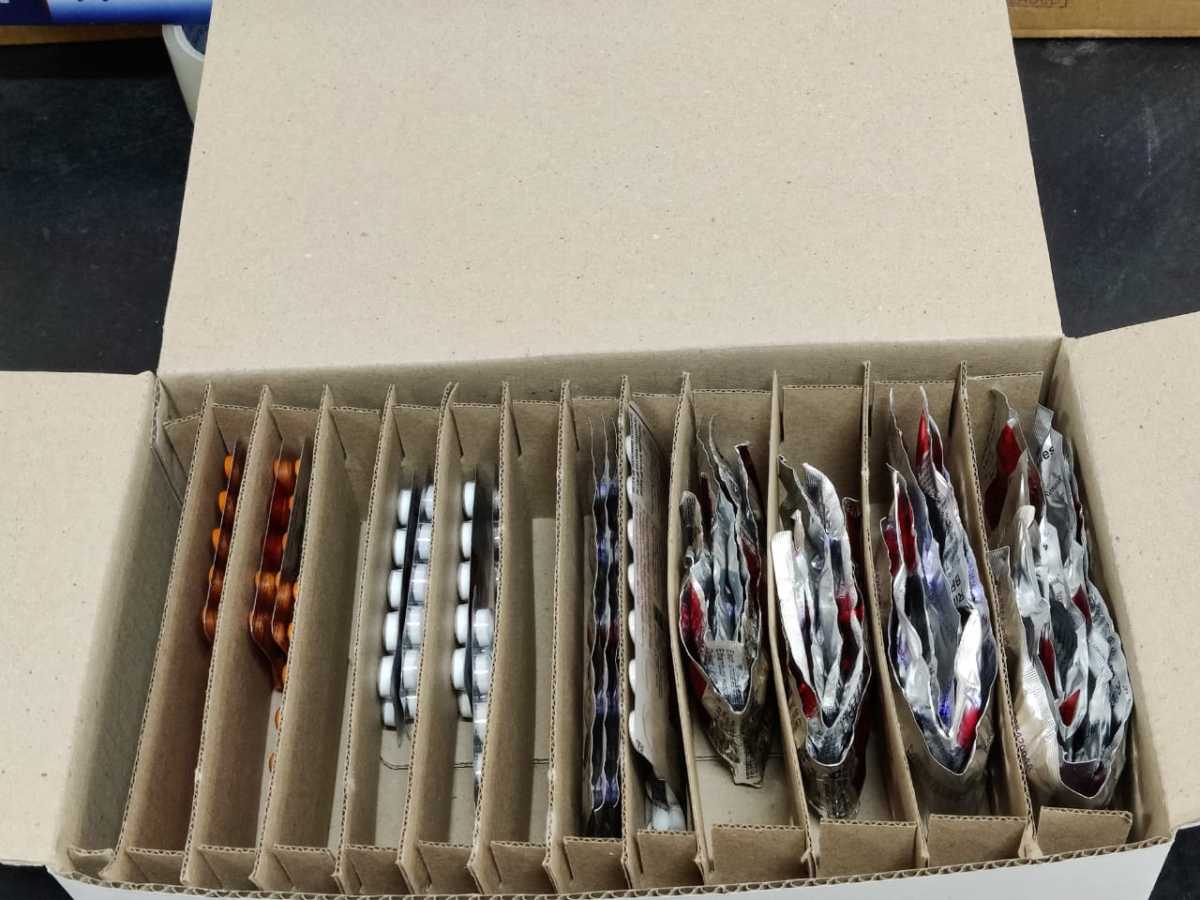
Figure 1: Isoniazid (H) Mono/ Poly Regimen DR-TB Treatment Box
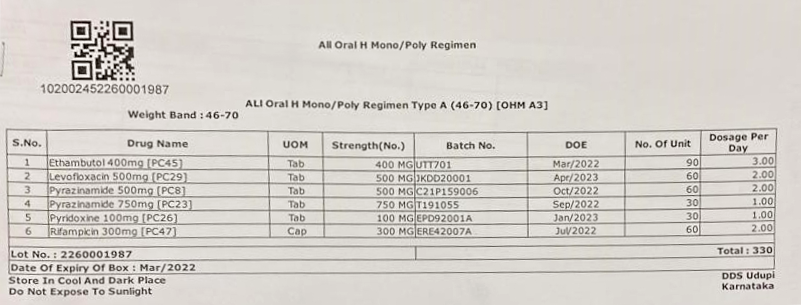
Figure 2: Isoniazid (H) Mono/ Poly Regimen DR-TB Label
In each Type A box, one pouch of silica gel desiccant of 4 gm weight should also be kept.
Labels for the boxes should be developed with the following information (Figures 2 and 3):
- Item-wise name of drugs with a quantity of each drug in the box
- Batch number and Date of Expiry (DOE) of the individual drugs
- DOE of boxes, with expiry date of the drug having the shortest expiry date
- Date of issue of the box from the State Drug Store (SDS)
- Serial number of the box
- Storage instructions on the box for ensuring adequate precautions in storage of the drugs, especially at the treatment supporter level. Some suggested messages are:
- “Store in a cool and dark place, preferably in a clean cupboard”
- “Do not expose to direct sunlight”
- “Keep away from children/unauthorized persons”
- “Box to be closed properly every time after the withdrawal of drugs”.
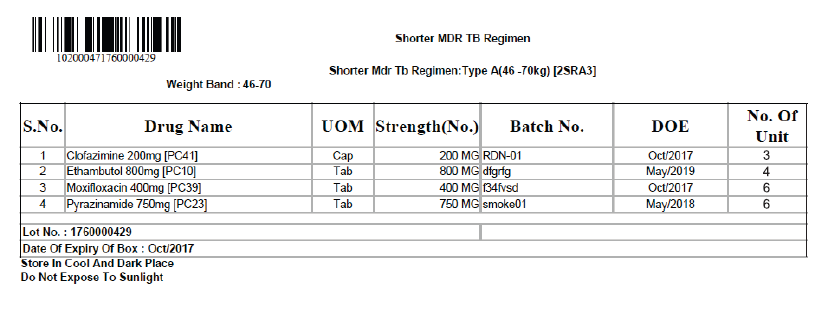
Figure 3: Prototype of a Label (Type A box for shorter DR-TB regimen for the weight band - 46 to 70 kg)
Resources
- Guidelines for Programmatic Management of Drug-resistant Tuberculosis in India, March 2021.
- Standard Operating Procedure Manual - Procurement & Supply Chain Management, MOHFW, GOI.
Kindly provide your valuable feedback on the page to the link provided HERE
-
Pharmacist: Return and Reconstitution
FullscreenOverview : Return and Reconstitution
ContentReturn
- Return is the process of returning the drug to the parent/ issuing store. This is generally followed whenever there are situations like lost to follow-up, transfer out, death, etc.
- Ni-kshay Aushadhi is being used to record and report the process.
- At present, the return of drugs from the patient/ treatment supporters is taking place in Ni-kshay (in Drug Dispensation Module)
- All the unconsumed drugs should be brought back by the treatment supporter to the Peripheral Health Institute (PHI)---->Tuberculosis Units (TU)---->District TB Centre (DTC) within the shortest possible time in order to ensure that they can be re-used in the future.
- Return of Bedaquiline (Bdq): Partially used Bdq bottle should be sent back to State Drug Stores (SDS) wherein it will be accounted for.
- Return of Delamanid (Dlm): Leftover Dlm tablets should be returned back to the District Drug Stores (DDS).
Reconstitution
- Reconstitution is defined as the process of re-packaging the returned anti-TB drugs in the event of loss to follow-up/ death/ discontinuation for any reason, back into a full treatment course for issuing to other patients.
- If the expiry of the remaining drugs is less than six months, the same may be issued at the Nodal Drug-resistant TB Centre (NDR-TBC) for patients while they are admitted and later adjusted from the long expiry bottle that is issued on discharge.
- The reconstitution exercise is carried out only for the Bedaquiline drug and is done at the SDS.
- First Expiry First Out (FEFO) principle should be strictly followed while issuing re-constituted drugs to the patients and also be cautious about the reconstituted drugs belonging to the different expiry batches.
- The reconstituted drugs should be accounted for and reported in Ni-kshay Aushadhi through the Box-preparation module under the Packaging/ Re-packaging service.
Resources
- Standard Operating Procedure Manual Procurement & Supply Chain Management, CTD, MoHFW, India, 2018.
- Return from Patient, Ni-kshay Aushadhi User Manual, CTD, MoHFW, India.
- Packaging and Repackaging, Ni-kshay Aushadhi User Manual, CTD, MoHFW, India.
Assessment
Question
Answer 1
Answer 2
Answer 3
Answer 4
Correct answer
Correct explanation
Page id
Part of Pre-test
Part of Post-test
Where is the reconstitution of Bdq drugs carried out?
District Drug Store
State Drug Store
Tuberculosis Unit
Peripheral Health Institute
2
The reconstitution of Bdq drugs should be carried out only at the State Drug Store.
Yes
Yes
Process of Return of Drugs
ContentUnder the National TB Elimination Programme (NTEP), the return process is facilitated through the Ni-kshay Aushadhi.
Return from the sub store to the parent store
- This is used to return drugs from the sub-store to the parent store, like from the Peripheral Health Institute (PHI) drug store to the Tuberculosis Unit (TU) drug store.
Steps in Ni-kshay Aushadhi for returning from the sub store to the patient store

Flowchart 2: Process of return from the sub store to the parent store on Ni-kshay Aushadhi

Figure 2: 5 - Return Request Desk, 6 - Returning Drugs Entry, 7 - Return Voucher; Source: Return from Patient, Nikshay Aushadhi User Manual, CTD, MoHFW, India.
Resources
- Standard Operating Procedure Manual Procurement & Supply Chain Management, CTD; MoHFW,India,2018.
- Return from Patient, Nikshay Aushadhi User Manual, CTD, MoHFW, India.
Assessment
Question
Answer 1
Answer 2
Answer 3
Answer 4
Correct answer
Correct explanation
Page id
Part of Pre-test
Part of Post-test
Return of drugs from the parent store is facilitated on Ni-kshay Aushadhi through which of the following options?
Return from patient
Return Request Desk
Both of the above
None of the above
2
In Ni-kshay Aushadhi, return from the parent store is facilitated through the ‘Return Request Desk’.
Yes
Yes
Reconstitution of Bedaquiline [Bdq] Bottle
ContentThe reconstitution of Bedaquiline (Bdq) bottle should be done at the State Drug Store (SDS).
In case of lost to follow-up/ death/ transferred-out/ treatment stopped patients, Bdq bottle shall be brought back from the treatment centre to the Health Facility (HF) to the TB Unit (TU) to the District TB Centre (DTC) within the shortest possible time.
- A partially used Bdq bottle shall be sent back to the SDS for repackaging.
- The remaining tablets in the bottle received back shall be accounted for in the stock register and Nikshay-Aushadhi at the SDS.
- Upon reconstitution, the bottle shall be accounted for in the stock register (loose tablets to be mentioned in the remarks column) to be issued as per First-expire-first-out (FEFO) principles.
- When reconstitution is done, tablets of the same expiry can be considered using the same container to a maximum of 188 tablets.
- These reconstituted containers shall be used for the treatment of subsequent patients found eligible for Bdq.
- All such drugs that are taken from the new containers shall be collected as a group of 188 tablets of the same expiry and put in a light-resistant container as per the advice from the manufacturer.
- The actual expiry of tablets should be mentioned over the container.
- In the event of the SDS falling short of 188 tablets from an expiry batch, reconstitution can still be done using a number of tablets to complete 188 tablets with another expiry batch.
- In such a case, tablets of the respective expiry should be retained in their same respective containers and issued to patients and providers with counselling to consume the tablets with the nearest expiry first.
- If the expiry of the remaining tablets is less than six months, the same shall be consumed at the Nodal/ District Drug-resistant TB Centre (N/DDR-TBC) for admitted patients. It will be adjusted from the new long expiry bottle on discharge.
Resources
- Guidelines for Programmatic Management of Drug-resistant Tuberculosis in India, March 2021.
- Standard Operating Procedure Manual - Procurement & Supply Chain Management, MOHFW, GOI.
Kindly provide your valuable feedback on the page to the link provided HERE
Recording reconstitution in Nikshay Aushadhi
ContentBox reconstitution means to unpack the prepared boxes into loose medicine. The loose medicine is then added back to the inventory of the store where reconstitution is done. Any box whether complete, incomplete, or modified can be reconstituted. Reconstitution can be done at State Drug Store (SDS) and District Drug Store (DDS) level only and once reconstituted, the box will no longer exist in the inventory. The process of reconstitution in Nikshay Aushadhi is known as box unpacking and involves the following steps:

Figure 1: Overview of process of recording of reconstitution in Nikshay Aushadhi
Detailed procedure:
Step 1: Go to the Nikshay Aushadhi website and click on login. Enter your user ID, Password, the captcha text and click login.
Step 2: Reach the ‘Box unpacking’ window following the path Home-menu>services>packing/repacking>Box unpacking and select your store. Select the TB subcategory then drug name and click on the ‘go’ tab.
Step 3: The system will show all the available boxes (complete, incomplete, and modified) with batch number, expiry Date, stock Quantity, and Stock Status. Select the desired box to be unpacked.

Figure 2: Box unpacking window in Nikshay Aushadhi
Source: Nikshay Aushadhi portal
Step 4: Once selected the system will show details of the drugs in that box. Any quantity less than or equal to the stock quantity of that box can be unpacked. For example, if the stock quantity of the selected box is 100 then any number of boxes between 1 and 100 van be unpacked. Specify the number of the boxes to be unpacked and then click the ‘save’ tab to complete the process. Upon completion, the system will generate the ‘box unpacking complete’ alert. After unpacking the box, the drugs from the box will be added loose into the inventory.

Figure 3: Saving details of box reconstitution
Source: Nikshay Aushadhi portal
Resources
Nikshay Aushadhi Manual-Central TB Division, Ministry of Health and Family Welfare, Government of India
Assessment
Answer 1
Answer 2
Answer 3
Answer 4
Correct answer
Correct explanation
Page id
Part of Pre-test
Part of Post-test
Box unpacking can be done at
SDS
DDS
Both 1 and 2
At any store
3
Box unpacking can be done at SDS, and DDS level only
YES
YES
-
Pharmacist: Transportation
FullscreenTransportation of Supplies under NTEP
ContentTimely procurement and an uninterrupted supply of medicines and other consumables are important requirements for the successful implementation and sustainability of the programme.
In a vast country like India where >70% of the population resides in rural areas, it is a challenge to transport sputum samples, drugs, consumables and other items on time and subsequently may result in delayed diagnosis and treatment initiation.
To combat this, the National TB Elimination Programme (NTEP) developed a multi-sectoral engagement strategy and entered into agreements with various ministries like the railways, road transport, aviation and communications for transportation of NTEP supplies and specimen transport across the countries through one of these modes.
Various Transportation Modes Utilised under NTEP for the Transport of Drugs and Other Supplies
Transportation Service
Activity
Indian Railway
The railway network is utilised for the supply of drug consignments from State/ District drug stores to far-flung areas. Ministry of Railways has also extended support to NTEP in terms of supply chain management and technical support for the implementation of TB-related activities across the country through railway medical services.
Indian Postal Services
Provides universal access to the rapid diagnosis of TB by specimen transportation from peripheral health facility to TB diagnostic laboratory, maintaining specimen quality while also respecting the timelines; delivering drugs across the country; and also fulfilling the submission of the TB notification forms to the Nodal Officer.
Air Transport Services
NTEP undertakes the transportation of the equipment as well as drug consignments through air cargo from various warehouses to the State Drug Stores on a routine basis as well as during emergencies.
In some situations, where the sputum specimens are required to be transported to the reference laboratories from various parts of the country, air transport of specimens is carried out to ensure efficient and timely testing.
Couriers
Third-party courier services are identified by NTEP in almost every district in the country and are given the responsibility to transport supplies and specimens from one centre to another while strictly adhering to the guidelines. The District TB Officer (DTO) is responsible for ensuring the quality of the transportation process through these courier services.
Government Vehicles
Vehicles are provided to the Senior Treatment Supervisor (STS)/ Senior TB Laboratory Supervisor (STLS) which are utilised in supply chain management, i.e., to deliver medicines to patients' homes as well as to collect samples for testing and follow-up, from the patients in their homes.
Third-party Logistics (3PL)
Central TB Division (CTD) has offered 3PL services at the district level where the agency is providing the transport services to pick the supplies from the District Drug Stores (DDS) and supply them to the TB Unit (TU) level. At present, 3PL service is being offered to all the DDS under the NTEP.
Significance
-
Utilising the existing government facilities for the transport of supplies is a cost-effective strategy.
-
Quick transportation of specimens can lead to effective TB testing and enhance the resulting output.
-
Early diagnosis and treatment initiation can contribute to minimising the further transmission of disease.
-
Strengthening the NTEP's supply chain management system to ensure the last-mile delivery of drugs.
-
Timely availability of drugs and other related supplies can majorly contribute to the treatment outcome.
-
Reaching out to the key populations served by various ministries such as workers, miners, migrants, tribal populations, women & children, etc. who are also highly vulnerable to TB.
Resources
-
Procurement, Supply Chain Management & Preventive Maintenance, Module 6, CTD, MoHFW, India.
-
MoU between Ministry of Railways, GoI and Central TB Division, MoHFW, India, 2019.
Assessment
Question
Answer 1
Answer 2
Answer 3
Answer 4
Correct answer
Correct explanation
Page id
Part of Pre-test
Part of Post-test
Which of the following services does India Post provide in collaboration with NTEP?
Initiation of treatment
Changing treatment regimen
Transport of sputum specimens and other supplies.
All of the above
3
Indian post supports NTEP in specimen transportation from peripheral health facility to TB diagnostic laboratory as well as in the supply of drugs and other items.
Yes
Yes
-
Key considerations during transportation of Supplies
ContentTransportation in a supply chain refers to the movement of products from one location to another, which begins at the start of the supply chain as materials make their way to the warehouse and continue all the way to the end-user.
The following considerations should be kept in mind before transporting the supplies:
Packaging
Proper packing of supplies is the most important aspect of transportation. Following are the components of good packaging:
- Labelling: All the supplies should be labelled properly before transportation. The important information which should be displayed on the labels include product name/ content, product strength (for drugs only), batch number, date of manufacturing, date of expiry, and storage conditions requirement. Safety instruction in the form of labels (like fragile, temperature-sensitive, direction) should be pasted on the boxes.
- Radio Frequency Identification (RFID)/ Barcode Scanning: Barcoding of packages before transporting ensure better tracking of the packages. In addition, entering data using barcoding is fast and reliable, significantly reduces human error and increases efficiency, and easy identification of product information.
- Security: Supplies that are damaged upon arrival can cause major problems. Not only do we lose the cost of the original item and shipping, but we may also have to send replacements at an additional cost. Hence, it is important that the supplies are packed in such a manner that the packaging keeps them safe during the transit.
- Storage Conditions: Majority of the supplies transported under National TB Elimination Programme (NTEP) are temperature sensitive and fluctuations above or below the manufacturer’s labelled storage temperature range may adversely affect product quality. Hence, the supplies should be transported in such a manner that the transportation temperatures meet manufacturer’s instructions.
Resources
Assessment
Answer 1
Answer 2
Answer 3
Answer 4
Correct answer
Correct explanation
Page id
Part of Pre-test
Part of Post-test
Why is barcode important during transportation of drugs?
Fast and reliable data entry
Decreases scope for human error
Makes product identification easy
All the above
4
For ensuring better tracking and supply chain management, the packages should ideally be bar coded before transporting. Use of barcodes offer the following advantages:
• Entering data using bar coding is fast and reliable
• Significantly reduces human error and increases efficiency
• Easy identification of product information.
YES
YES
Supply to DDS/TU
ContentThe following supplies are sent to the District Drug Store (DDS)/ TB Units (TUs):
- Anti-TB drugs (first and second-line):
Drugs once received by the State Drug Store (SDS) are transported to the districts. The districts then transfer the drugs to the TUs which in turn supply them to the Peripheral Health Institutes (PHIs).
- Diagnostic materials
The following diagnostic materials will be supplied by the SDS to the DDS and TUs:
- Cartridge-based Nucleic Acid Amplification Testing (CBNAAT) machines and cartridges
- Truenat machines and chips
- Binocular Microscopes (BMs) and Light Emitting Diode (LED) Fluorescence Microscopes (FM)
- Laboratory consumables: Sputum containers, slides, and 50 ml centrifuge tubes.
- Treatment-related supplies
These include the following:
- Syringes
- Needles
- Water for injections
- Water containers
- Disposable tumblers, etc.
- Stationery, forms, Information, Education and Communication (IEC) materials
Different registers, forms, and IEC material will also be supplied from the SDS to the DDS/ TUs.
Transportation
The states may hire Third-party Logistics (3PL) for transporting these supplies to the DDS and TUs.
Resources
Assessment
Answer 1
Answer 2
Answer 3
Answer 4
Correct answer
Correct explanation
Page id
Part of Pre-test
Part of Post-test
What is included in the supplies from the SDS to the DDS and TUs?
Diagnostic materials
Anti-TB drugs and treatment-related supplies
Stationery, forms, IEC materials
All the above
4
The supplies from the SDS to the DDS and TUs include diagnostic materials, anti-TB drugs, treatment-related supplies, stationery, forms and IEC materials.
Yes
Yes
Supply from TU to PHI
ContentBased on the reports from Ni-kshay Aushadhi, the stock is supplied from SDS to the district drug store to its Tuberculosis Units (TUs) and then to the Peripheral Health Institutions (PHIs).
This is done through the transport agencies which is hired from Central /State level.
Below is the details of transport mechanism from SDS TO DDS & DDS TO TU.

Figure 1. Operational flow from SDS TO DDS

Figure 2. Operational flow from DDS TO TU
Resources
1. Standard Operating Procedure Manual Procurement & Supply Chain Management RNTCP, MoHFW, GoI 2018
Assessment:
Answer 1
Answer 2
Answer 3
Answer 4
Correct answer
Correct explanation
Page id
Part of Pre-test
Part of Post-test
PHI Stocks will be given for
One month
first month along with a reserve stock of one month
Two month along with a reserve stock of one month
Three month
2
PHI Stocks will be given for first month along with a reserve stock of one month
Fullscreen