
Default status of page at the time it is added for creation.

LPA Laboratory Equipment: Micro Pipettes

Use of Micropipette  


  • Micropipette (Figure) dispenses and aspirates liquid (reagent, sample). ​ 
  • IT is used in the DNA Extraction Room, Master Mix Room, Amplification Room and Hybridization Room to dispense reagents for Line Probe Assay (LPA). ​ 
  • A micropipette should be dedicated to each room and labelled accordingly. 
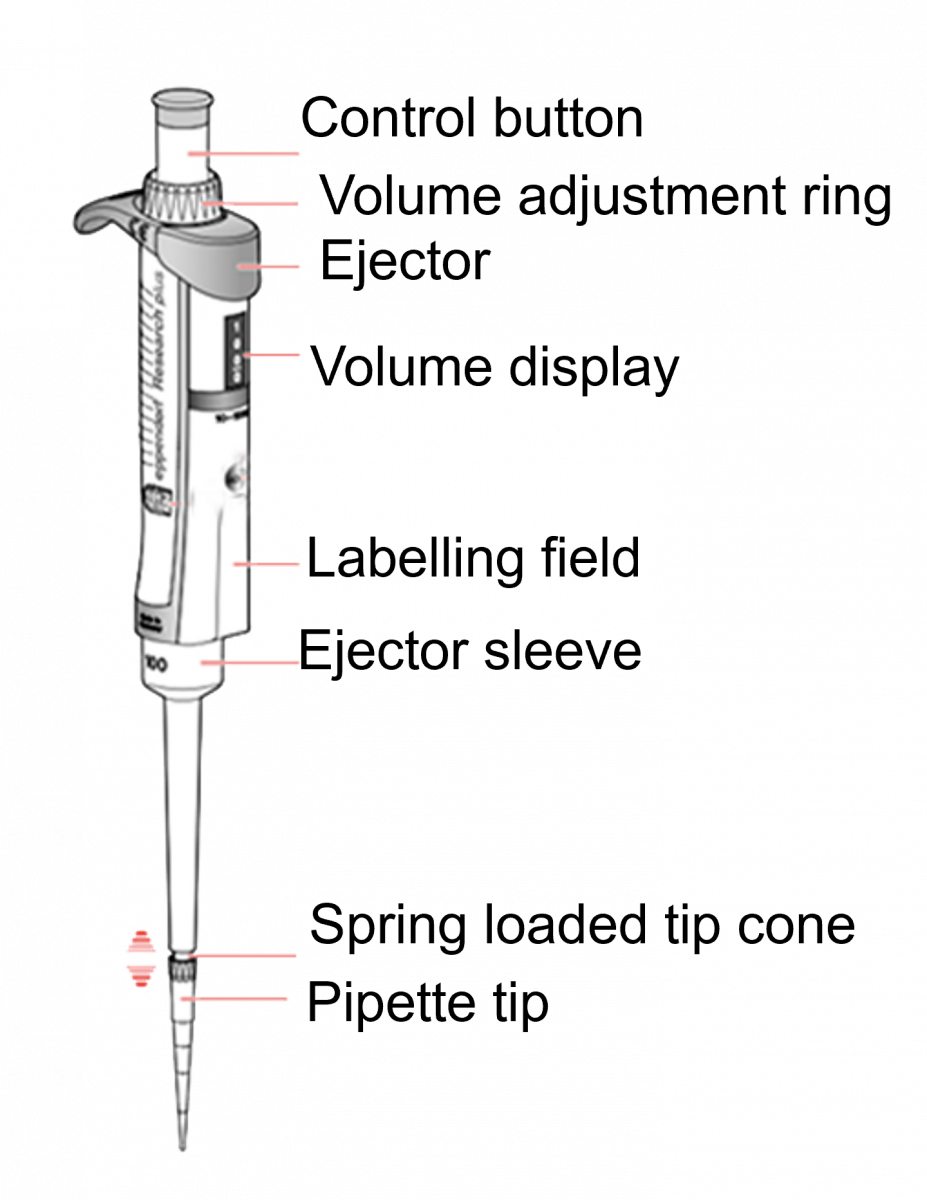
 

Figure: Micropipette


Cleaning:  
LPA Biosafety Essentials: Procedural Biosafety Measures

Procedural biosafety measures include: 


  • Biosafety measures taken during the Line Probe Assay (LPA) procedures ​ 
  • Aerosol generation and preventive measures​ 


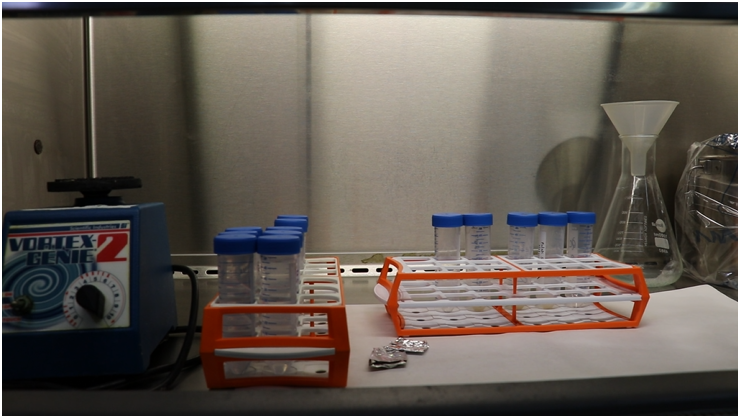
Manipulations that produce aerosols in DNA Extraction Room are: 


  • Pipetting​ 
  • Centrifugation​ 
  • Vortexing​ 
  • Discarding micropipette tips after use​ 


Measures to Prevent Aerosol Generation ​ 


LPA Biosafety Essentials: Good Laboratory Pactices and Biosafety for LPA Lab Personnel

Line Probe Assay (LPA) lab personnel must comply with Good Laboratory Practices for their biosafety.  


These include technical competency in: 

  • Performing tests 
  • Using Personal Protective Equipment (PPE) 
  • Using equipment 
  • Handling infectious materials 
  • Keeping work areas clean 
  • Using disinfectants 
  • Waste management practices 
  • Understanding responsibility for protecting themselves and others 


Do’s and Don’t of Good Laboratory Practices

Biosafety Requirements in the LPA Lab: Refrigerated Centrifuge Use

The refrigerated centrifuge is used in the mycobacteriology laboratory for concentrating bacterial cells, following the processing of sputum or other specimens. It is also used for spinning down reagents from walls of containers. The temperature maintained within the refrigerator centrifuge is 4°C to reduce the percentage of mycobacteria killed due to heat generated during centrifugation. The required G force is 3000 x g (not RPM).


Essential Features of the Refrigerated Centrifuge 


Procedure for Culture Specimen Processing: Pulmonary specimens

These are the steps to be followed when processing pulmonary specimens in TB culture laboratories:


Beginning the Specimen Processing Procedure:


  1. Process only one specimen at a time, and do not leave open containers or open centrifuge tubes in the Bio Safety Cabinet (BSC).
  2. Process the available specimen in a 50 ml sterile, plastic, screw-capped centrifuge tube (Figure).


Culture Specimen Processing: Advantages and Disadvantages of NALC-NaOH Method

In the N-Acetyl-L-Cysteine - Sodium Hydroxide (NALC-NaOH) method:

  • NaOH works as a decontaminating agent.
  • Sodium citrate binds with the heavy metal ions that might be present in the specimen, that could inactivate NALC.
  • NALC works as a mucolytic agent that allows NaOH to be used at a lower final concentration of 1% and aids in liquefying sputum to release the trapped bacilli.


Advantages of NALC – NaOH Method

Subscribe to Page Prioritised