Solid and Liquid Culture in TB

Culturing TB Bacilli is well known and historic method for detection/ confirmation of Tuberculosis. It is a highly sensitive and specific phenotypic test; it can detect even a few viable bacilli in the sample (Upto 10 Colony Forming Units- CFUs). TB bacilli multiply in the culture and form colonies of TB bacilli which can are easily be identified.

Based on the growth media used Culture is divided in to two types, Solid and Liquid Culture methods. Types Culture:

Line Probe Assay [LPA]

Line Probe Assay (LPA) is a rapid molecular test available at centralised laboratories.

The assay is based on Polymerase Chain Reaction (PCR) that can simultaneously detect Mycobacterium tuberculosis complex as well as drug sensitivity to anti-TB drugs.

Truenat MTB and RIF Assay as a TB Diagnostic Test


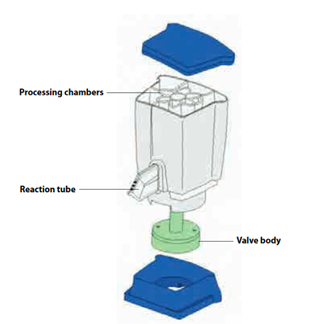
The tests are performed using Trueprep AUTO Sample Pre-treatment and Prep kits and Truenat micro-PCR chips.


To detect M. tuberculosis, the Truenat MTB chip amplifies a portion of the ribonucleoside-diphosphate reductase gene, nrdB with a Limit of Detection (LOD) of about 100 Colony Forming Units (CFU)/ml sputum sample.


DNA extraction and detection of M. tuberculosis takes approximately one hour.


Microscopy

Microscopy is a TB diagnostic technology that utilizes the acid-fastness property of Mycobacterium tuberculosis to visualize it under a microscope. Results of sputum smear microscopy can either be smear-negative, or smear-positive (with various grades). 

Advantages:

  • It is currently the most accessible and cheapest TB diagnostic test available under National TB Elimination Programme (NTEP) in India.
  • It has the shortest turnaround time for diagnosis.
  • It has high specificity. 

Limitations:

Nikshay

Nikshay is an Integrated ICT system for TB patient management and care in India. Nikshay was launched in 2012 and since then, various improvements have been made in the system.

Nikshay provides-

TB Case classification in NTEP

TB cases are generally classified on the basis of previous history of TB treatment into New and previously treated cases.

New case - A TB patient who has never had treatment for TB or has taken anti-TB drugs for less than one month is considered as a new case. 

Previously treated patients have received 1 month or more of anti-TB drugs in the past. They could be further classified as:

TB Infection

  • TB Infection (or previously known as Latent TB infection) is a stage in between uninfected and having active TB. In this stage the person has no symptoms and can only be identified using laboratory tests.

  • The vast majority of infected people may never develop TB disease. However, to achieve TB elimination, it is important to treat TB infection in people at risk of developing active TB disease.

Subscribe to STLS